Let’s Talk Staight.
Before a project like this comes to a town, people deserve straight answers about how big, why here, who's behind it, what it pays, what it looks like, what happens at the end.
Those are the right questions to ask, and nobody in Jay needs to be told to ask them. This page is our attempt to answer them directly: no jargon, no sales pitch, and nothing buried. Where the answer is a number, we've given the number. Where the answer is a commitment, we've said who's making it and for how long.
This isn't a brochure. Below, we take each rumor on directly: what you've heard on one side of the kitchen table, and what's actually true on the other. If we don't answer your question here, call us. A real person picks up, we are long term partners.
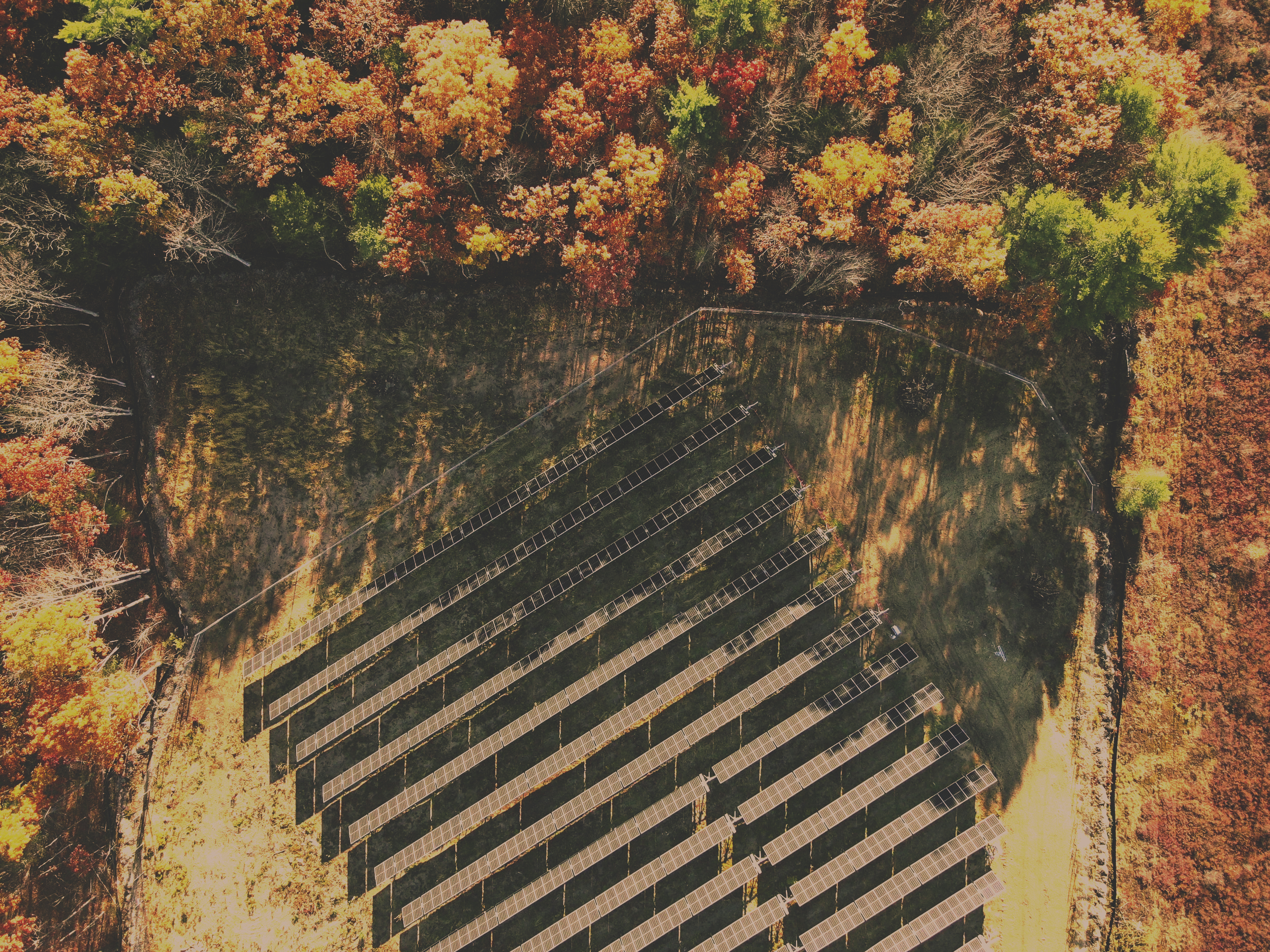
THE CONCERN ABOUT JOBS
What you've heard
Those construction jobs won't go to Mainers. They'll bus in crews from away.
What's true
At our Sanford, Maine project, about 80% of the workforce on site was based in Maine. We plan to do the same in Jay.
And it's not charity. It's practical. Local crews don't need hotel blocks, meal money, or a convoy of trucks from three states over. Maine labor is simply cheaper and more reliable than importing workers, which makes our projects better and keeps money in the state..
Walden’s development team is based in Maine. We believe in the workers who are here: the electricians, operators, and laborers who live down the road and want to build something in their own county.
Up to 450 jobs at peak on site for 2+ years of construction, plus a small crew that runs the site for decades.

THE CONCERN ABOUT OWNERSHIP.
Built to Own. Built to Stay. What you’ve heard. “They’ll build it and sell it off.”
What's true: Walden Renewables is a Maine company that takes on the hardest part of building an energy project: finding the right land, getting the engineering right, carrying it through state and federal permitting, and earning a place on the grid. That is the work we do, and it is why Alden Mill is sited where it is, on land off Alden Hill and Canton Mountain Roads, and the retired paper mill’s existing substation, reused instead of built new.
We are building Alden Mill Solar to own and operate it long term.
Walden will own and operate this project. Full stop. Our company is an independent power producer structured to hold assets long-term.
STEP 1
Develop
STEP 2
Build
STEP 3
Own
STEP 4
Operate
Walden's business includes the full life cycle of a project, as the owner and operator, right here in Maine.
"Walden finds ways to develop, finance and build projects that are too complex for a lot of other companies - and when we succeed in clearing those hurdles, we look to maintain that asset as a core holding for our company.” ."
Walden Renewables, based in Maine
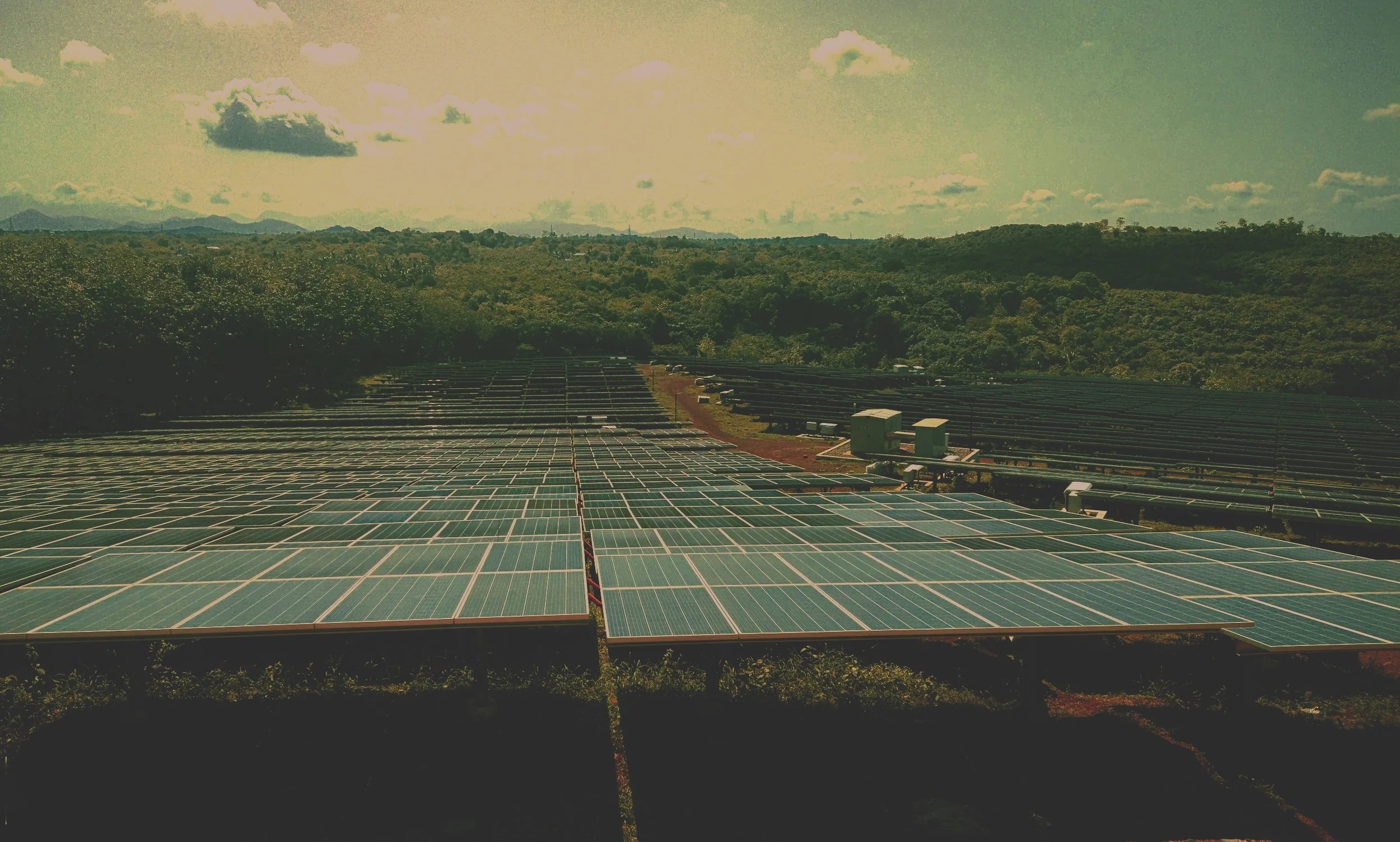
THE CONCERN ABOUT TAXES.
"The taxes sound great, but Jay will never see the money."
Fair question. So let's walk through it the way we would across your kitchen table.
What's true
Walden has committed to paying $750,000 per year, with a 2% annual escalator. Over the life of the project, that adds up to more than $45 million in tax payments to the Town of Jay.
First: the agreement cannot be walked away from. Before construction starts, Walden signs a tax agreement with the Town. That agreement is a legal contract that stays with the project, no matter who owns it. It runs with the land, in writing, before a single panel goes up. And as you read above, we are not selling. But you should not have to take our word for it. The paperwork makes it a fact, enforced by law.
Second: here is where the money actually goes. Like any business, the project pays property tax on the value of everything it builds: the panels, the racking, the inverters, the roads, and the substation. That is a great deal of new value added to the town's tax base, and it asks nothing back from the town. No new school seats. No new water or sewer lines. No extra calls for the fire department. The 2% escalator means the payment grows every year, and it does not depend on power prices, weather, or the stock market.
Third: about TIFs. A TIF is a lockbox, not a giveaway. A TIF has two purposes, and both of them put the town first. One: when a big project goes on the tax rolls, a share of those dollars would normally shift away, up to the state and county, instead of staying local. A TIF prevents that. It keeps the most money in town and minimizes the tax shift, so the dollars stay here in Jay. Towns like Sanford and Leeds have used exactly this structure on Walden’s projects. A TIF does not reduce what the project pays. It decides where the money lands.
$45M+ over 40 years at $750,000/year with a 2% escalator, from a project that requires no new town services in return.
And it is real money for real things. This is not a hypothetical. In Sanford, Walden's Mousam River Solar project funds the Green Futures Scholarship Program, in partnership with the City of Sanford and York County Community College: $650,000 in technical scholarships, with annual contributions for thirty years, to help York County students train for careers in the trades. The inaugural 2026 recipient, a Sanford High graduate, is now studying electrical engineering technologies at Southern Maine Community College. This is the kind of community benefit agreement Walden creates, and the kind of opportunity Jay can ask for
THE CONCERN ABOUT CLEAN UP.
"When the panels wear out, we'll be stuck with the mess."
This one is answered by Maine law, and then some.
What's true
Maine state law requires commercial solar projects to be fully decommissioned at the end of their useful life: panels, posts, and wire removed, and the site restored. The Maine DEP issues a decommissioning permit, and before construction can begin, Walden must post a bond or letter of credit that fully funds decommissioning before construction. The money to tear it all down and restore the land is set aside before we build.
Put simply: the cleanup is paid for before the first post goes in the ground. If the owner ever walked away (and it will not be Walden, because we are the owner for the long haul), the restoration money already exists. That is not a promise. It is a requirement, and we commit to this protection even where it isn’t required by law.
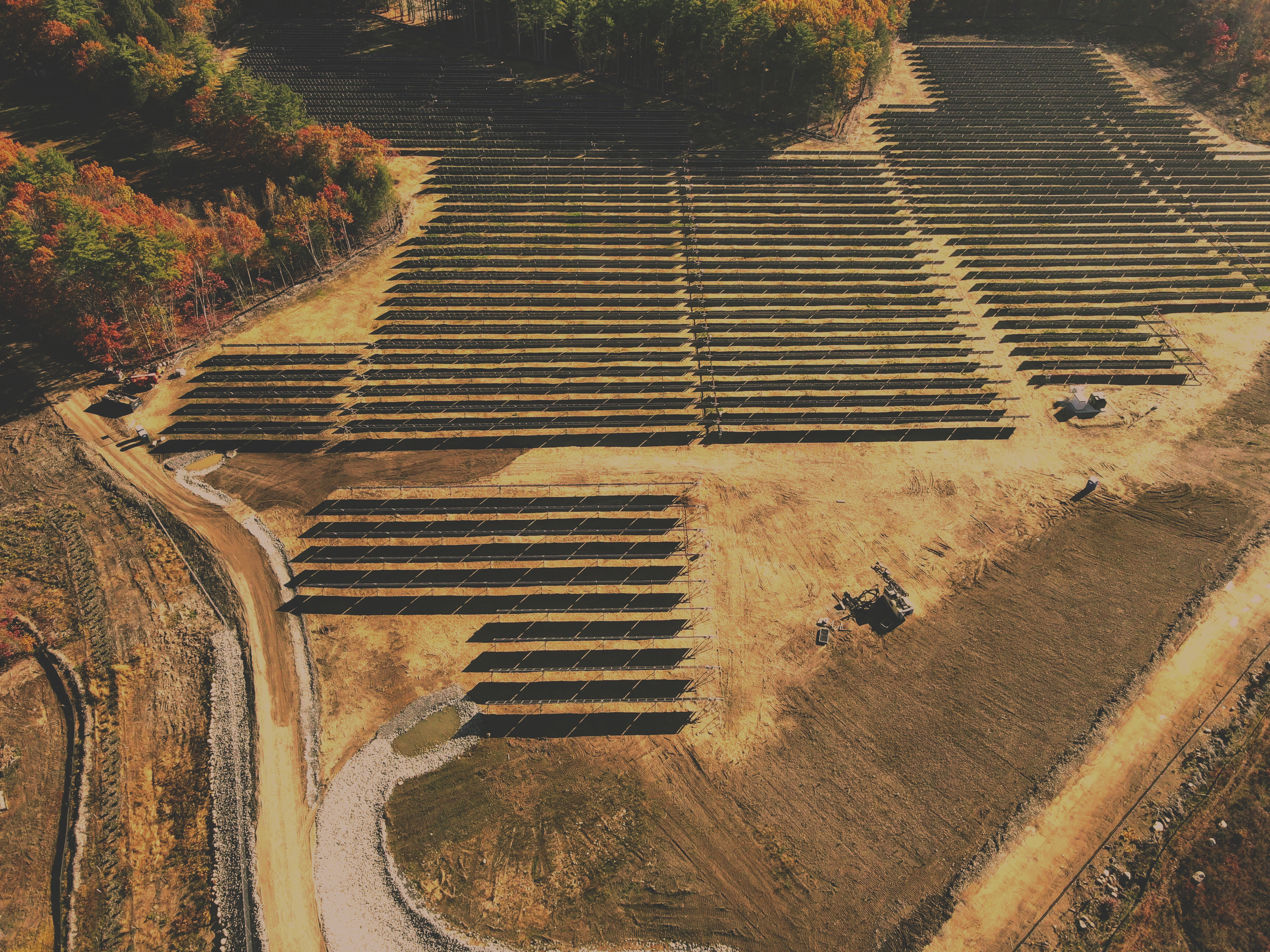
The Short Version
MYTH vs. FACT AT A GLANCE
Heard something that isn't on this list? Ask us. We'll answer it here.
Walden is an independent power producer that develops, builds, owns and operates its fleet. Alden Mill is a core asset that will be owned and operated by Walden
"Walden will sell the project to a private equity firm."
Up to 450 jobs at peak over 2+ years of construction. At Sanford, roughly 80% of the workforce on site was based in Maine. Local hiring is the better choice over importing labor.
"The construction jobs will go to crews from away."
$750K per year with a 2% escalator: $45M+ over 40 years, under an agreement signed before construction that stays with the project no matter who owns it.
"The taxes won't really benefit Jay."
A TIF does the opposite: it keeps the project's tax dollars in Jay instead of shifting them to the state and county, and locks payments in for the TIF term. Sanford and Leeds and countless other towns have used this structure to maximize their benefit and attract investment.
"A TIF lets the company off the hook."
State law requires a Maine licensed engineer stamped decommissioning cost estimate fully funded decommissioning bond before construction begins. Removal and site restoration are paid for up front, with the town covered.
"If the company leaves, taxpayers fund the cleanup."
Panels are silent. Inverters and transformers hum when running, and only up close. The state permitting process requires noise standards to be met at neighboring property lines.
"Solar projects are noisy."